Invisalign
Beverly Hills

Top 1% Blue Diamond Invisalign Provider in Beverly Hills with custom ClinCheck planning by Dr. Joseph Goodman. 27 years. Dubai | Germany. Choose your dentist wisely.

porcelain veneers by Dr. Goodman featured on CBS
porcelain veneers by Dr. Goodman featured on TheDoctors TV
porcelain veneers by Dr. Goodman featured on Miss California
porcelain veneers by Dr. Goodman featured on Cosmopolitian
porcelain veneers by Dr. Goodman featured on Dr. Phil
porcelain veneers by Dr. Goodman featured on beverly hills chamber of commerce

Invisalign Planned by Your Dentist, Not the Software

Invisalign results come down to two things: the aligners and the dentist planning them. Dr. Joseph Goodman DDS DMD plans every case himself in Beverly Hills. He brings 27 years of cosmetic dentistry experience and Blue Diamond provider status. The aligners are the same at every office. The planning is not. Patients come from West Hollywood, Century City, and Brentwood for work done right.

Only 4 percent of Invisalign consultations here move to traditional braces. Dr. Goodman reviews every ClinCheck plan personally instead of accepting the software defaults, and he will not recommend a treatment that will not work. When alignment is done, he can finish the smile with cosmetic work if you want it. Dr. Goodman has been featured on The Doctors, KTLA, CBS, and in Cosmopolitan.

Below you will find how Invisalign works, what it costs, and how to choose your dentist.
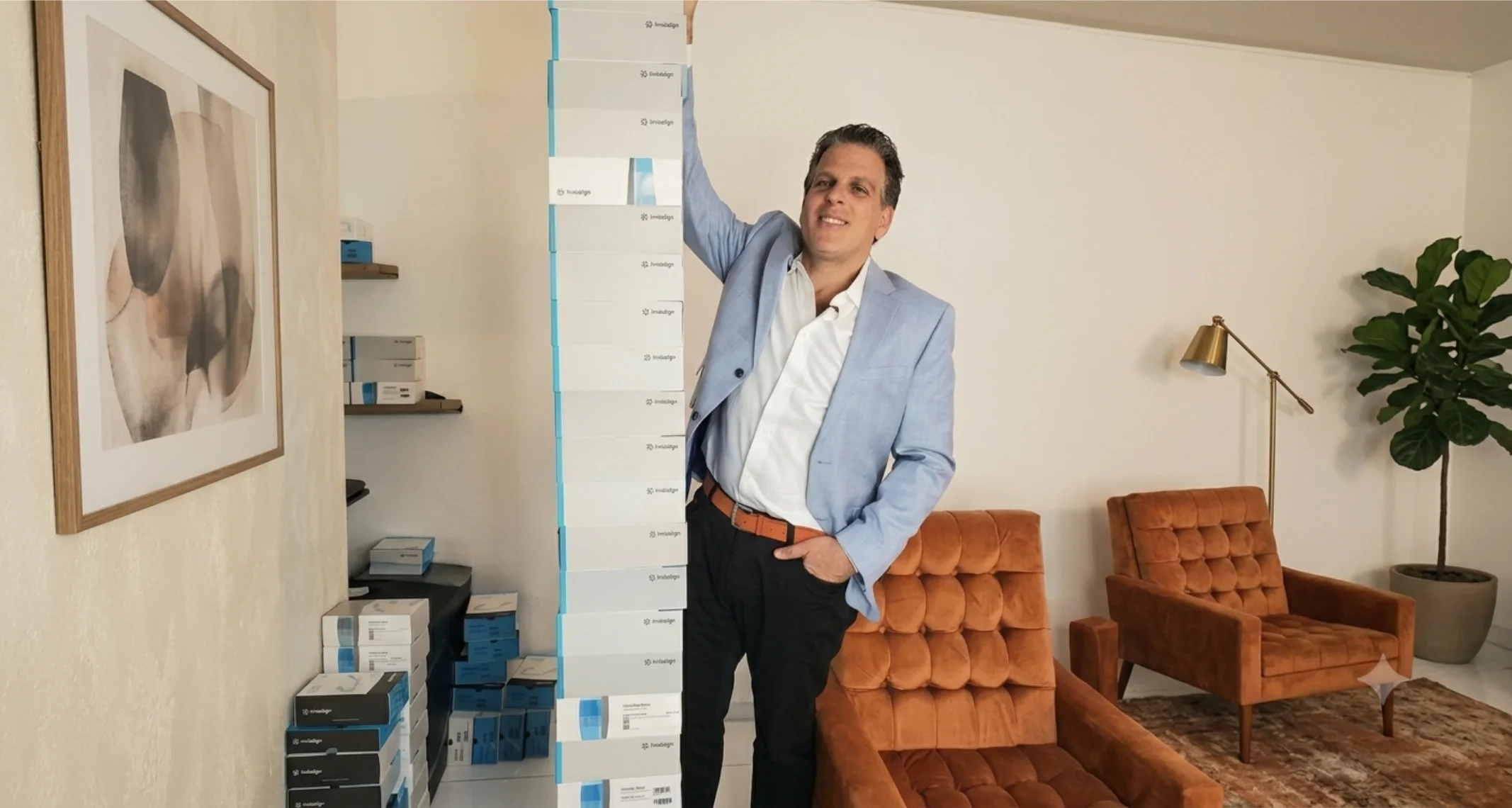
How Does Invisalign Work?

Invisalign uses a series of clear plastic aligners to move teeth into position. You wear each aligner 20 to 22 hours a day for one to two weeks. Then you move to the next tray. Total treatment runs 6 to 18 months depending on case complexity. Dr. Goodman plans every movement in advance through a 3D process called ClinCheck.

Your first visit is a 15 minute consultation and digital scan. About 2 to 3 weeks later, Dr. Goodman receives your ClinCheck file from Align. ClinCheck is a 3D video preview of how your teeth move month by month. You review the outcome before any trays are ordered. You then receive 5 trays at a time, every 5 weeks, until you finish.

CLICK to GET DIRECTIONS

Phone:

Call: (310) 860-9311
Click to Text Us

Address:

241 1/2 S Beverly Dr Suite 201,
Beverly Hills, CA 90212

Dr. Joseph Goodman, DDS, DMD
California License 47521

Office Hours

Monday – 9:00am – 7:30pm
Tuesday – 8:00am – 5:00pm
Wednesday – 8:00am – 5:00pm
Thursday – 8:00am – 5:30pm
Friday – 8:00am – 4:00pm
Saturday & Sunday – Closed

See Inside Our Practice

BLUE

PROVIDER

DIAMOND

Why Dentist-Planned ClinCheck Changes Your Result

Dr. Goodman plans each tooth movement himself and directs the ClinCheck software. He does not accept the computer’s default plan. Different dentists charge different Invisalign prices because of the planning time involved. Careful planning produces a better outcome. The dentist decides where your teeth move, not the computer.

The software suggests a path, but software does not examine your bite. Dr. Goodman reviews your case month by month before any tray is made. He sets where teeth need spacing and where they need rotation. He adds attachments and plans IPR where your teeth need room to move. This is the work a mail-order kit and a high-volume mill skip.

How Much Does Invisalign Cost in Beverly Hills?

Invisalign cost in Beverly Hills depends on your case. Minor corrections cost less, and complex cases that take more aligners and time cost more. Invisalign Express handles minor corrections, Lite covers moderate cases, and Comprehensive treats complex ones. Dr. Goodman gives you a written quote at your consultation, before any treatment begins. We also offer financing and payment plans.

Many dental plans now include partial adult orthodontic coverage. Confirm your benefits with your provider before you book. The practice accepts CareCredit and other financing partners for payment plans. Your price reflects the planning time the dentist puts into your case. The quote at consultation is the quote at checkout.

Invisalign Compared to Braces and Home Aligner Kits

The best method depends on three things: case complexity, visibility, and budget. Invisalign wins for adults and teens who want discreet treatment. Traditional braces win for severe cases needing constant pressure. Home kits like Byte and the former SmileDirectClub lack clinical planning.

Method Treatment Time Cost Range Visibility Best For
Invisalign (Blue Diamond planning) 6 to 18 months $2,900 to $6,500 Virtually invisible Adults and teens with mild to complex needs
Traditional Braces 12 to 36 months $3,000 to $7,000 Visible metal or ceramic Severe cases needing constant pressure
Home Aligner Kits 4 to 6 months claimed $1,895 to $2,295 Virtually invisible Very mild cosmetic cases only

About 1 in 25 Invisalign consultations here move to traditional braces. The 96 percent who go ahead do so because the case fits Invisalign. Home kit patients often arrive here after failed treatment. Dr. Goodman has corrected failed home kit cases with proper planning. He tells you honestly which method fits your teeth.

Why Home Aligner Kits Fail

Why Home Aligner Kits Fail

Home aligner kits fail because no dentist plans or supervises the work. You take the impression yourself, and home impressions distort easily. The software plans the trays with no clinical review. No one corrects course if your teeth stop moving. Patients arrive at this practice after failed home kit treatment.

  • No dentist planning, only software defaults
  • At-home impressions with voids and distortions
  • No IPR with a diamond strip when teeth need room
  • No attachments for complex rotations
  • No monitoring if teeth stop tracking
  • No follow-up if treatment fails

IPR means making small spaces between teeth with a diamond strip. The process is painless and only a dentist can do it accurately. SmileDirectClub filed for bankruptcy in 2023 and left customers mid-treatment. Byte faces an ongoing class action over alleged consumer harm. The cheap kit looks good at checkout and different 8 months in.

Are You a Good Candidate for Invisalign?

Adults and teens with healthy teeth and gums are Invisalign candidates. Invisalign treats overbites, underbites, crossbites, gaps, crowding, and mild rotation. Severe skeletal jaw problems may need braces first, or non-surgical bite correction with FACE Dentistry. Only 4 percent of consultations here move to braces. 96 percent of patients go ahead with Invisalign.

Active gum disease must be treated before Invisalign begins. Patients with crowns or veneers on visible teeth need a plan. Aligners move only natural teeth, so the restoration stays put. Dr. Goodman runs a candidacy screening at every consultation. Bite, gum health, and tooth structure confirm the fit.

Blue-Diamond invisalign Provider

How to Find the Right Invisalign Dentist

The right Invisalign dentist plans your case personally and finishes your smile. Ask three questions before you book. Does the dentist hold Blue Diamond provider status? Does the dentist plan ClinCheck personally or accept software defaults? Does the dentist also do veneers, whitening, and bonding? Dr. Goodman answers yes to all three of those questions. An orthodontist straightens, then sends you elsewhere for cosmetic work.

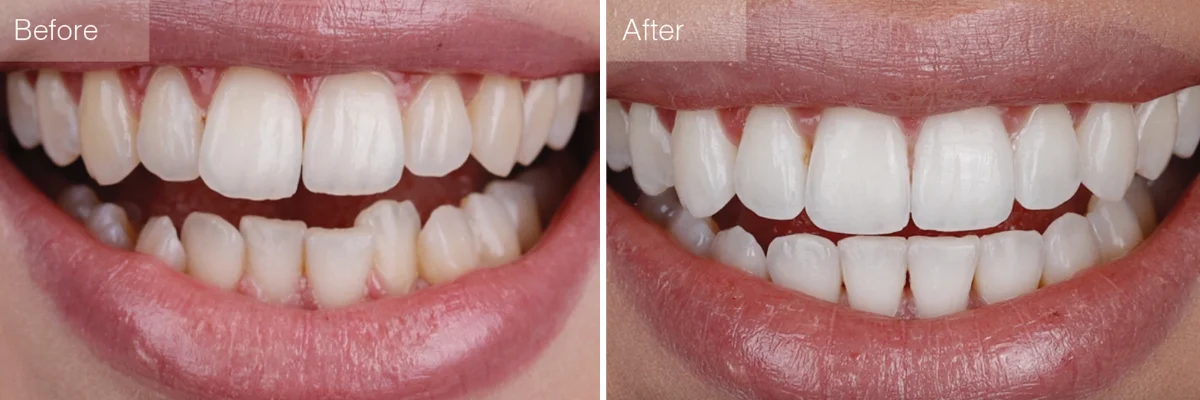
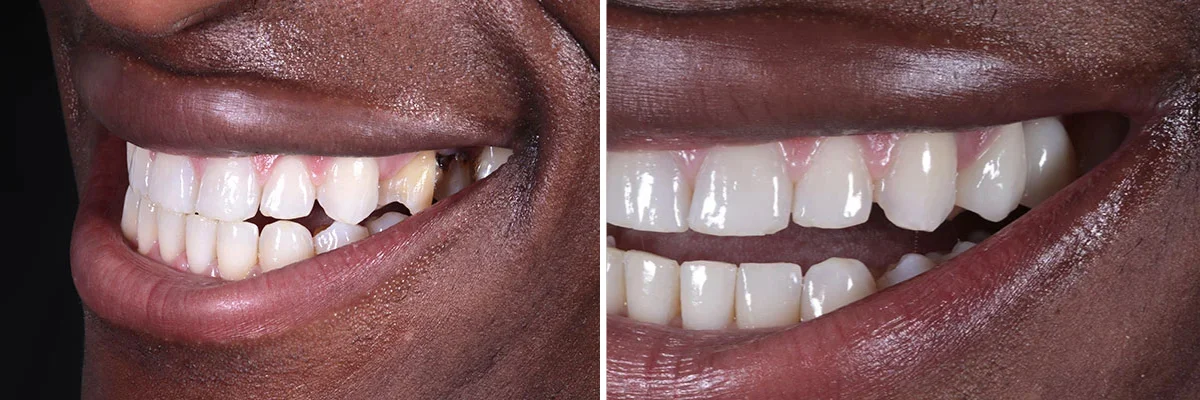
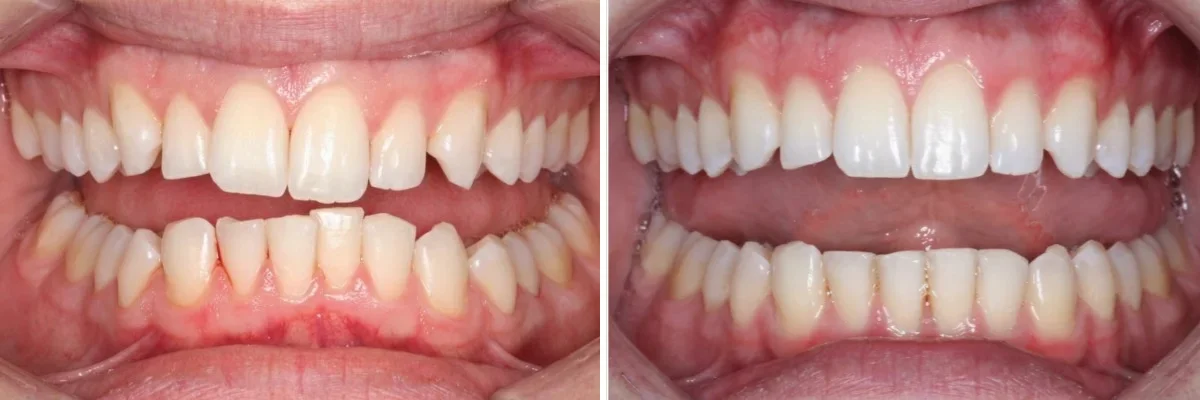
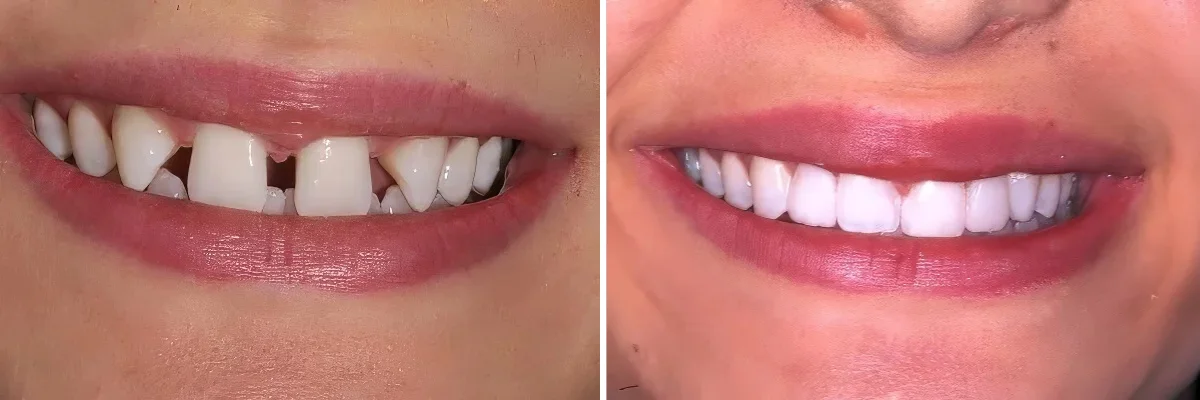
Two recent cases show the planning at work. One patient had a gap between teeth 8 and 9, with teeth 7 and 10 missing. Dr. Goodman closed the front gap with Invisalign and placed a Maryland Bridge. A second patient had a palatally impacted tooth. Dr. Goodman guided it into position with precise aligner therapy. Complex cases like these reflect the top 1 percent status.

CHOOSE YOUR

DENTIST WISELY

BEGIN YOUR PERSONALIZED DENTAL EXPERIENCE WITH DR. GOODMAN

You have looked at Invisalign for a while now. The thing standing between you and a straight smile is not the aligners. It is finding a dentist who plans the case right and finishes the work. Dr. Joseph Goodman DDS DMD, California License 47521, has been delivering natural-looking smile transformations in Beverly Hills since 1999, serving patients from West Hollywood, Century City, Brentwood, and as far as the UAE and Germany. Call (310) 860-9311 or schedule your consultation today.

Contact Us

Frequently Asked Questions

How long do I need to wear my Invisalign aligners each day?

Invisalign aligners are made to be worn 20 to 22 hours a day. You take them out to eat, to drink anything but water, and to brush. Wearing them fewer than 20 hours slows your treatment. The American Association of Orthodontists’ guide to clear aligners explains why consistent wear moves teeth as planned. Dr. Goodman checks your wear time at every visit.

Do I still need to wear a retainer after Invisalign?

Yes. A retainer holds your teeth in their new position after Invisalign. Without one, teeth drift back toward their old alignment within months. The American Association of Orthodontists’ guide to retainers explains why retention protects your result. Dr. Goodman offers a clear removable retainer or a lingual wire behind your teeth.

Does Invisalign hurt?

Mild pressure or soreness lasts 2 to 3 days after you start a new aligner. The feeling comes from teeth shifting into new positions. It fades as your teeth adjust to the aligner shape. The American Association of Orthodontists’ clear aligner therapy overview covers how this gentle pressure works. Over-the-counter pain relief helps when you need it.

Can I eat and drink as normal with Invisalign?

You remove your aligners to eat or drink anything other than water. Hot drinks warp the plastic. Coffee, tea, wine, and soda stain the aligners and the teeth underneath. The ADA’s MouthHealthy guide to braces and aligners notes aligners are removable and dentist-supervised. You brush your teeth before you put the aligners back in.

How do I clean my Invisalign aligners?

Clean your aligners daily with a soft toothbrush and clear, unscented soap. Avoid colored toothpaste, which can stain the plastic. Rinse with lukewarm water before you put them back in. Hot water warps the trays. Invisalign’s official aligner care guidance recommends cleaning crystals for a weekly deep clean. Dr. Goodman gives you a cleaning routine at the start of treatment.

Do I need healthy teeth and gums before getting veneers?

Yes. Active decay, untreated cavities, and gum disease must be resolved before veneer placement can begin. Placing veneers over unhealthy teeth can worsen existing dental problems and compromise the long-term result. The American Dental Association is clear that teeth must be healthy and free of active periodontal disease before any veneer procedure. Dr. Goodman conducts a thorough oral health evaluation at your consultation and will address any underlying issues before moving forward with cosmetic treatment.

Related Services

Related Articles

  • How Much Does Invisalign Cost in Beverly Hills?
  • Invisalign vs Braces: Which Is Right for You?
  • How Long Does Invisalign Take to Work?
  • What to Expect During Treatment
  • Are At-Home Aligner Kits Safe Compared to Invisalign?

The information on this page is provided to help you understand Invisalign and the cosmetic services Dr. Goodman provides. It is not a substitute for professional diagnosis or individualized treatment. (For personalized guidance, please schedule an appointment with our licensed dental professional.)

Choose Your Dentist Wisely