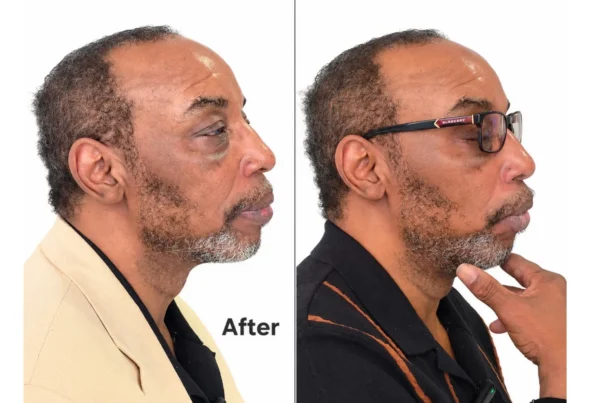

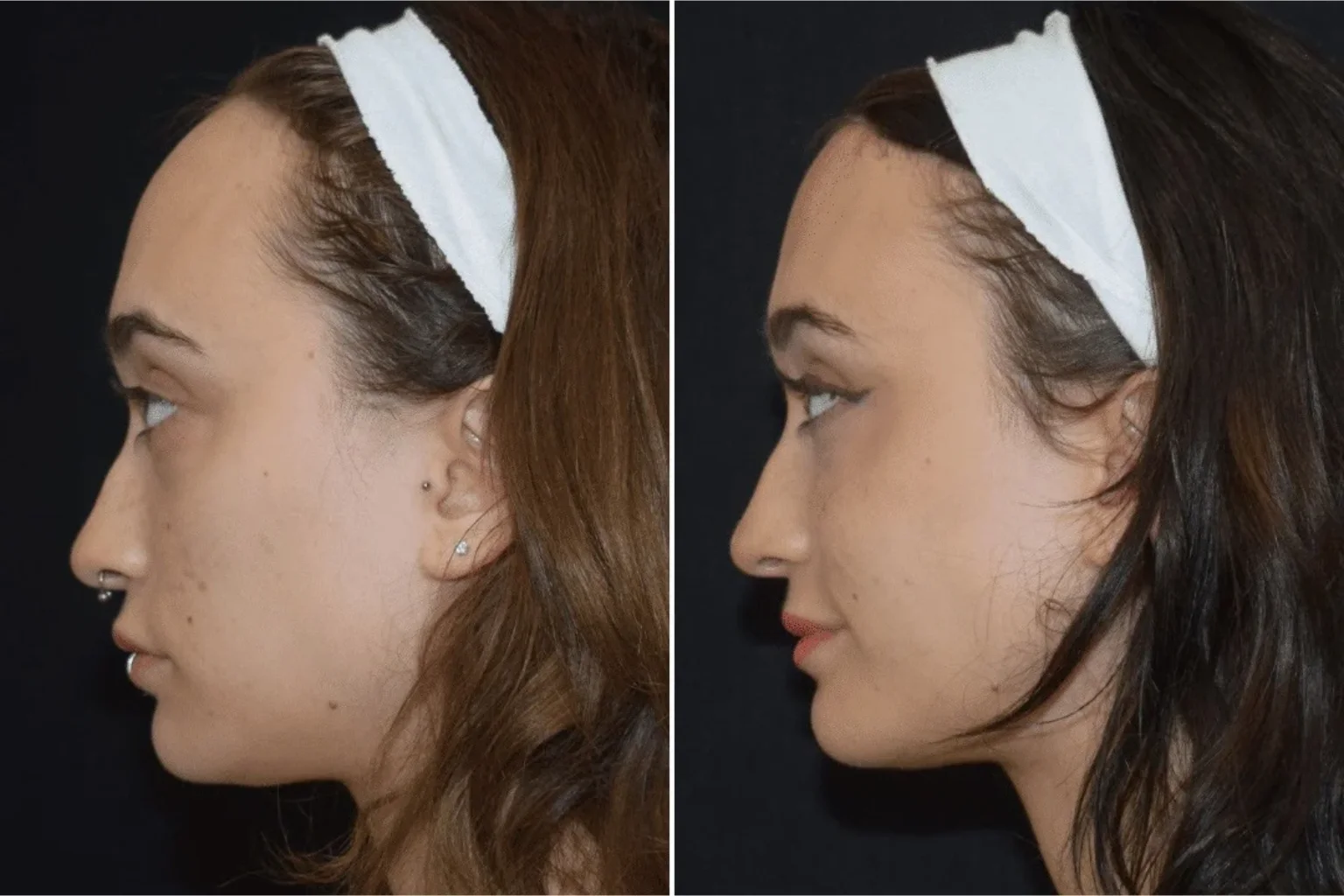

Find Out What Your Teeth Can Change Before You Book a Surgeon
Can dental work lift your face is a fair question when your lower face seems to sink. Dr. Joseph Goodman, DDS, DMD, has rebuilt bites in Beverly Hills for 27 years. He trained in Germany and the United States, earning a DMD in Aachen before advanced training at UCLA. Here you will learn which parts of an aging face rest on your teeth and what a facelift does instead.
Most people asking this share one fear. You want to look rested, not done, and you have seen work on friends look fake from across a room. The stakes cut both ways, since a facelift cannot rebuild worn teeth and veneers cannot tighten loose skin. Between 25 and 30 percent of Dr. Goodman’s patients come in to correct work done elsewhere. He calls his approach Face-Driven Dentistry, and it starts with a FACE Dentistry exam.
Can Dental Work Really Lift Your Face?
Dental work can lift the parts of your face resting on your teeth, but it cannot tighten skin. Your lips, mouth corners, and chin all sit on the frame your teeth and bite create. When the frame loses height, the lower face folds in. A facelift, which Mayo Clinic says takes 3 to 6 hours of surgery, works on the skin layer instead.
Your face ages in two layers at once, one soft and one hard. The soft layer is skin, fat, and muscle, and the hard layer is the bone and teeth underneath. When the hard layer is the problem, rebuilding it lets the tissues above settle back. Patients often say afterward they look younger and cannot explain why, though results vary.
Why Does Your Lower Face Lose Support With Age?
Your lower face loses support when teeth wear down, drift, or go missing. Each change lets the jaw close a little further, so the distance from your nose to your chin shrinks. At first visits, Dr. Goodman hears two complaints more than any others: an old look, and teeth worn down from grinding.
Skin ages on its own schedule, and the skin layer belongs to a surgeon. Mayo Clinic describes a facelift as surgery to reduce sagging skin and smooth folds along the cheeks and jawline. It also notes a facelift does not treat creases around the nose and upper lip.
Plenty of faces need a bit of both, so the order matters. If the bite collapsed first, lifting skin over it can leave the mouth looking pulled. The teeth still look worn and small. Dr. Goodman works out which layer is driving your change before anyone picks up a tool.
Source: Mayo Clinic, Face-lift, published March 28, 2026.
What Can Dental Work Change in Your Face?
Dental work reaches the support layer, which covers more of your face than most people expect. Each change below depends on your bite, your bone, and what you want to see in the mirror. These five are the ones a dental plan can often reach.
- Lip support, so thin or rolled-in lips sit fuller at rest
- Lower face height, restored when worn teeth are rebuilt
- Mouth corners, which can stop turning down at rest
- Tooth display, so more of your front teeth show when you smile
- Chin position, when the jaw can move forward into a better bite
What it cannot reach matters as much. Loose neck skin and sagging along the jawline belong to a surgeon, and Dr. Goodman says so before you spend money. If your chin sits too far back, non-surgical overbite correction may be part of the plan. Results vary, so your exam decides which items apply.
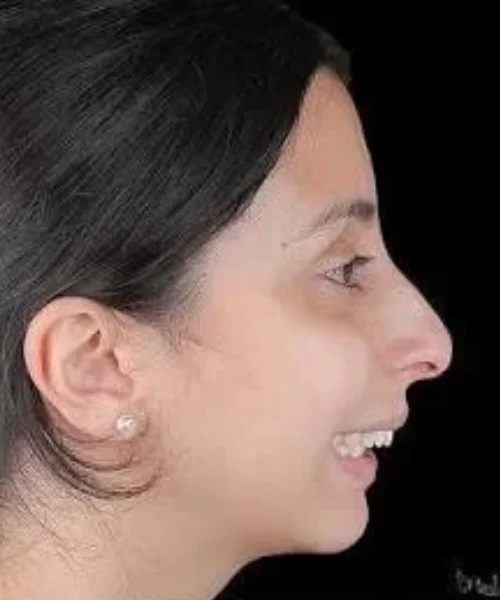
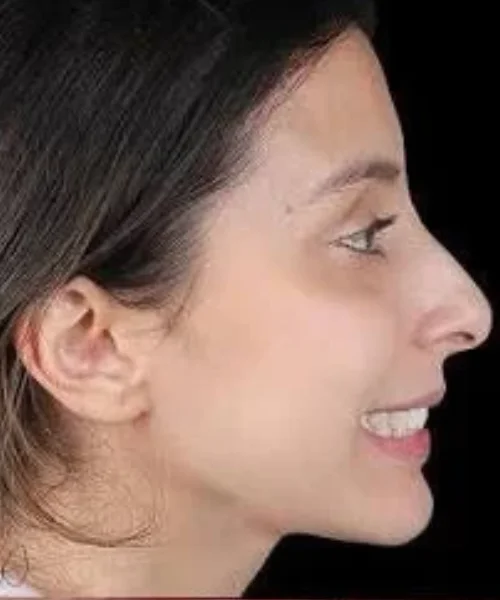
How Does Dental Work Compare With a Facelift?
The two treatments work on different layers, so the fairest comparison is side by side. Mayo Clinic puts facelift surgery at 3 to 6 hours, with follow-up visits for two months afterward. A dental plan for lost bite height starts with photos, records, and a bite test instead. The table below lines them up.
| Factor | Surgical facelift | Dental plan for lost bite height |
| What it works on | Skin and the tissue under it | Teeth, bite height, and jaw position |
| Time in treatment | 3 to 6 hours of surgery | Several dental visits, set after records |
| Anesthesia | Sedation with local numbing, or general | Usually local numbing |
| Follow-up | Visits for about two months | Bite checks as the plan moves along |
| What it skips | Fine lines, sun damage, creases near the nose and upper lip | Loose skin and sagging along the jawline |
| How long it lasts | Not lifelong, the face keeps aging | Depends on materials and grinding habits |
Source: Mayo Clinic, Face-lift, March 28, 2026, for the facelift column. Dental column: Dr. Goodman’s FACE Dentistry process. Results vary by case.
Read the row on what each one skips first, since it shows why one rarely replaces the other. Dr. Goodman’s rule is bite first and beauty follows, so a stable bite comes before anything cosmetic. If you are seeing a surgeon too, ask whether anyone has checked your bite.
Who Is a Good Fit for This Kind of Plan?
You may be a good fit if your face looks older mainly around your mouth. The pattern often points to worn teeth, a closed-down bite, or missing back teeth. About 1 in 5 patients who ask Dr. Goodman for veneers get steered toward something more conservative, because the honest plan is often the smaller one.
Patients drive in from Brentwood off the 405, or from Malibu, for different reasons. Some come after veneers elsewhere left them looking fake. Others want to know if they need a surgeon at all. If your concern is mostly skin, Dr. Goodman will tell you plainly and point you toward one.
What Happens at a FACE Dentistry Consultation?
The first visit is about answers, not a sales pitch. It starts as a complimentary planning consultation, so you hear the options before you commit to anything. Here is the usual order of steps at the office, a few blocks from Rodeo Drive.
- Photos of your face from the front and from the side
- A bite exam and records of how your teeth meet
- TMJtrac, his jaw tracking and testing process, when your case calls for it
- A plain answer on which layer, teeth or skin, is driving the change
- A written plan with each step and the order it comes in
You leave knowing whether dental work can reach your goal. If it cannot, you hear so first, before any money changes hands. If it can, you take the written plan home to think it over.
Know Which Layer Is Aging Your Face Before You Choose a Fix
Dr. Joseph Goodman, DDS, DMD, has read faces and bites in Beverly Hills for 27 years. He holds California license 47521. His Face-Driven Dentistry plan has three steps: photos, a bite exam, and a plain answer. The goal is a face you still recognize, only more rested, though results vary.
Call (310) 860-9311 to book a FACE Dentistry consultation with Dr. Goodman, or request a time online at topbeverlyhillsdentist.com. Bring a photo from 10 years ago if you have one, since it shows what changed. You will leave knowing whether your teeth can give you the lift you are after.
What Else Do People Ask About Teeth and an Aging Face?
Is a face lift plastic surgery?
Yes, it is. Mayo Clinic describes a face-lift as a surgical procedure to make the face look younger. It is done with sedation and local numbing, or under general anesthesia, and the results are not lifelong. Dental work is not plastic surgery, even when it changes how your lower face looks.
Does tooth extraction affect face shape?
It can, especially when several teeth are lost and never replaced. Cleveland Clinic lists jaw bone loss and facial sagging from lack of support as effects of untreated tooth loss. One missing back tooth rarely shows, but a row of them lets the bite close. Replacing lost teeth helps protect the bone holding your face up.
How can I reverse my bruxism face change?
Start by protecting your teeth, then rebuild what grinding wore away. MedlinePlus notes mouth guards and splints are often used to treat grinding, which strains the muscles around your jaw. A guard stops new wear but cannot add back lost height. Rebuilding worn teeth can restore some of the lower face support grinding took, though results vary.
Will dental implants lift my face?
They can help hold your face up, but they do not pull skin tighter. Harvard Health lists preventing bone loss in the jawbone among the benefits of dental implants. Keeping the bone matters, since it supports your cheeks and lips from underneath. Implants replace what was lost, so the lower face keeps its frame instead of folding in. Results vary, and loose skin above the jaw still belongs to a surgeon.