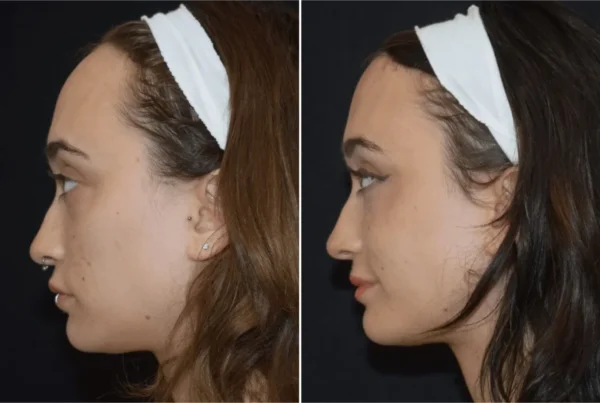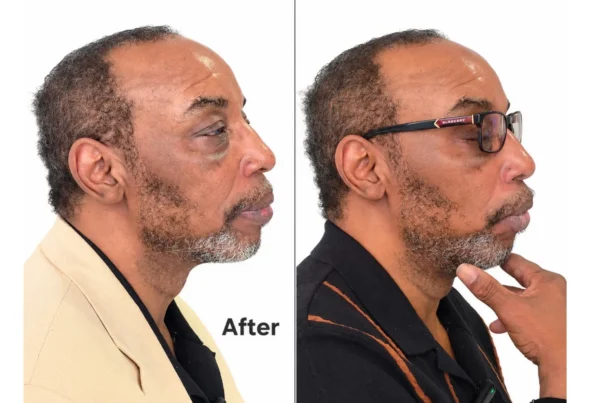



Find Out Why Your Chin Looks Small Before You Book Surgery
A genioplasty alternative in Beverly Hills is worth a look if your chin slips back in side photos. Dr. Joseph Goodman, DDS, DMD, has corrected bites in Beverly Hills for 27 years. He trained in Germany and the United States, earning a DMD in Aachen before advanced training at UCLA. Here you will learn what a sliding genioplasty does and how to tell bone from bite. You will also see which step makes sense first.
Most people researching this share one fear. You do not want bone surgery for a chin your bite was pulling back. You also do not want a result anyone can spot as work. The stakes are real, since genioplasty cuts the chin bone and fixes it with plates and screws. Between 25 and 30 percent of Dr. Goodman’s patients come to him to correct work done elsewhere. He calls his approach Face-Driven Dentistry, and FACE Dentistry is how he puts it into practice.
What is a genioplasty, and what does it change?
A genioplasty is chin surgery, and Cleveland Clinic describes two main types. A sliding genioplasty cuts the chin bone and moves it forward, backward, or sideways. A chin implant adds size on top of the bone instead. Mayo Clinic notes plates and screws hold the moved bone in its new spot. Most people have it done under general anesthesia.
Both options change the chin itself, and neither one changes how your teeth meet. If you are weighing an implant against the no-surgery route, our chin implant comparison covers it in detail. This article stays on the bone surgery, and on one question most genioplasty pages skip.
Why can a weak chin come from your bite instead of your bone?
A weak chin can come from your bite when the lower jaw closes too far back. Your chin rides on the lower jaw, so it follows wherever the bite parks it. Cleveland Clinic lists a normal bite as one of five requirements for genioplasty candidates.
So surgery on the chin bone alone is not built for a chin your bite is holding back. Moving the bone forward would leave the bite problem right where it started. The bite deserves a look before anyone cuts bone.
AAOMS, the oral surgeons’ association, notes chin surgery is often part of a larger jaw surgery plan. Dr. Goodman’s own rule is simpler: bite first, and beauty follows. When the bite sets the chin back, moving the bite can bring the chin forward, though results vary.
Source: Cleveland Clinic, Genioplasty (Chin Augmentation), reviewed April 15, 2024.
How can you tell if your chin problem is bone or bite?
You can get a rough read in a mirror in about two minutes. Relax your face, bring your back teeth together, and look at your profile from the side. These five clues point toward the bite rather than the bone.
- Your lower front teeth hide behind the upper ones when you bite
- A deep fold sits under your lower lip
- Your front teeth look worn or flat
- Your chin looks better when you slide your lower jaw forward
- Your jaw clicks, aches, or tires when you chew
One clue alone means little, but three or four together are worth an exam. A chin small in the bone looks small even with a good bite. Records and an exam settle it, so treat this list as a starting point, not a diagnosis.
How does a bite-first plan compare with a sliding genioplasty?
The two routes work on different parts of the face, so the fairest look is side by side. Cleveland Clinic says most people return to work 7 to 10 days after a sliding genioplasty. A bite-first plan starts with records and a test before anything permanent happens. The table below lines them up.
| Factor | Sliding genioplasty | Bite-first dental plan |
| What it moves | The chin bone | The bite, and the jaw with it |
| Where the work happens | Surgery on the chin bone | Dental visits on the teeth and bite |
| Time off work | About 7 to 10 days | No surgical recovery |
| Swelling | Up to about 2 weeks | No surgical swelling |
| Trial before committing | No | Yes, a test appliance first |
| Best fit | A chin small in the bone, with a normal bite | A chin set back by the bite |
| What it cannot fix | A bite problem behind the chin | A chin small in the bone itself |
Source: Cleveland Clinic, Sliding Genioplasty, reviewed August 19, 2022, and Genioplasty, reviewed April 15, 2024, for the surgery column. Dental column: Dr. Goodman’s FACE Dentistry process. Results vary by case.
Read the last row first, since it shows why one rarely replaces the other. Some people need both, and settling the bite first gives a surgeon a stable base to plan on. Already seeing a surgeon? Ask whether anyone has checked your bite. Each row assumes a typical case, and your own records may change the picture.

When is genioplasty still the right call?
Genioplasty is still the right call when the chin bone itself is small and your bite already sits right. Dental work cannot add bone to a chin, so an oral or facial plastic surgeon is your honest next stop. These 4 signs point toward surgery.
- Your chin looks small even with your back teeth fully together
- Your lower front teeth meet the upper ones in a normal bite
- Your chin lacks height from the front as well as from the side
- Your jaw has stopped growing, which Mayo Clinic places in the late teens to early twenties
If your exam shows a bone problem, Dr. Goodman tells you so before you spend money. His rule is plain: if something will not work, he says so first. You leave with a clear answer about which kind of specialist fits your chin.
What happens at a chin and bite consultation?
Your first visit is a complimentary planning consultation, so you get answers before you commit to anything. Dr. Goodman takes photos from the front and the side and records how your teeth meet. He may also use TMJtrac, his jaw testing process.
If your chin sits back with an overbite, he may point you toward non-surgical overbite correction. When the bite is the cause, a test appliance comes first. Custom porcelain then holds the new bite in place. You see the change in your profile before anything becomes permanent, though results vary.
Know What Is Holding Your Chin Back Before You Choose Surgery
Dr. Joseph Goodman, DDS, DMD, has spent 27 years in Beverly Hills reading bites and profiles. He holds California license 47521. Patients come from Century City and Santa Monica along Santa Monica Boulevard, a few minutes from Beverly Cañon Gardens. His Face-Driven Dentistry plan has three steps: photos, a bite exam, and a plain answer on bone or bite. The goal is a natural chin in balance with the rest of your face, though results vary.
Call (310) 860-9311 to book a chin and bite consultation with Dr. Goodman, or request a time online at topbeverlyhillsdentist.com. Bring a side-profile photo, old or new, to the visit. You will leave knowing whether your chin needs a surgeon or a better bite.
What Else Do People Ask About Genioplasty?
Is sliding genioplasty risky?
It is real surgery, though Cleveland Clinic calls complications rare. Its list of possible risks includes bleeding, infection, hardware problems, and numbness in the lower lip or chin. Numbness is the one most people ask about first. A careful surgeon will walk you through your own risk before you book anything.
How invasive is genioplasty?
A sliding genioplasty is surgery on bone, so it sits well above a dental visit on the scale. AAOMS describes the chin bone being moved and fixed in a new position with wires and screws. Most people have general anesthesia for it. An implant, by contrast, adds size without cutting the bone at all.
Is genioplasty considered plastic surgery?
It can be, especially when the goal is how your chin looks. Mayo Clinic notes oral and maxillofacial surgeons do jaw surgery, which can include the chin. So you may see a facial plastic surgeon or an oral surgeon for it. Either way, it is surgery, not dental work.
Which is better, chin implant or genioplasty?
Neither one is better for everyone, since they solve different problems. MedlinePlus notes chin augmentation can be done with an implant or by moving the jaw bone. An implant adds size on top of the bone. A genioplasty moves the bone itself in more than one direction. Your surgeon can look at your chin bone and tell you which one fits it best.