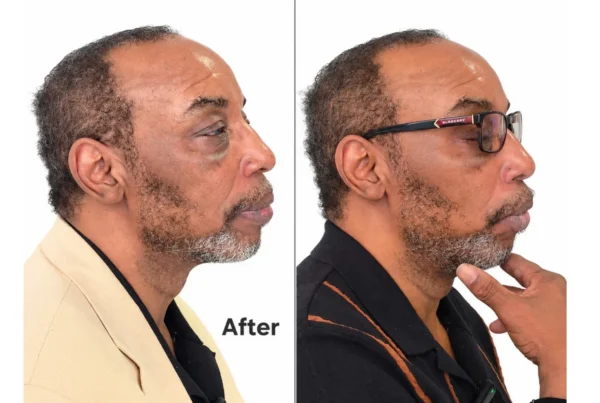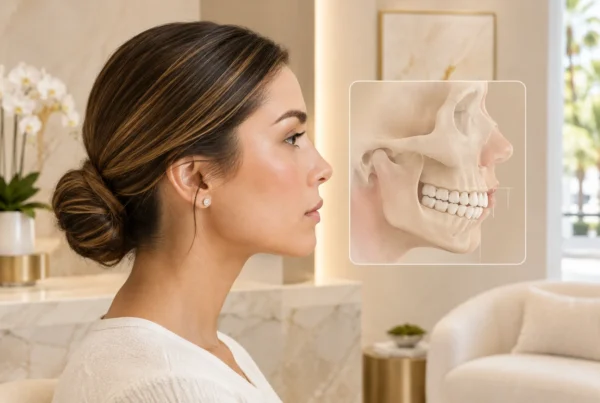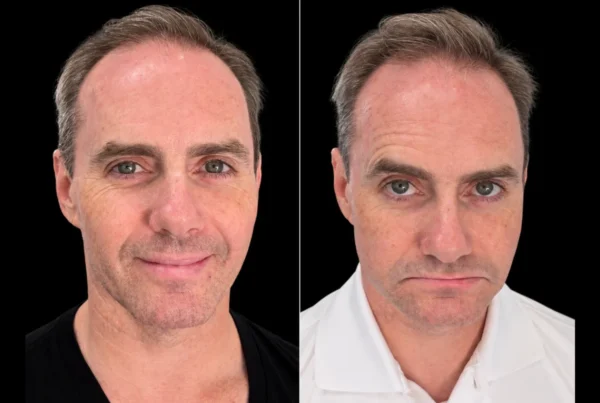



Thinking about a chin implant to strengthen your profile? There is a non-surgical chin implant alternative worth knowing about first, it’s called Face-Driven Dentistry. Dr. Goodman can improve many small chins without surgery, by adjusting your bite. This guide compares a chin implant with the non-surgical route, so you can choose well.
Dr. Joseph Goodman has practiced in Beverly Hills for 27 years, trained in Germany and the US. Patients come to him from Beverly Hills, Bel Air, and Holmby Hills for this work. He treats the bite and the face together rather than one tooth at a time. His FACE dentistry approach improves the chin and profile while balancing the bite.
What Is the Difference Between a Chin Implant and Non-Surgical Chin Augmentation?
A chin implant is surgery that adds a solid device to your chin bone. Non-surgical chin augmentation instead moves your bite to bring the chin forward. One requires an operation and weeks of healing, the other takes about 2 to 3 weeks. Both can strengthen a weak profile, but only one also improves your bite. That extra benefit is a big reason patients look into the non-surgical route.
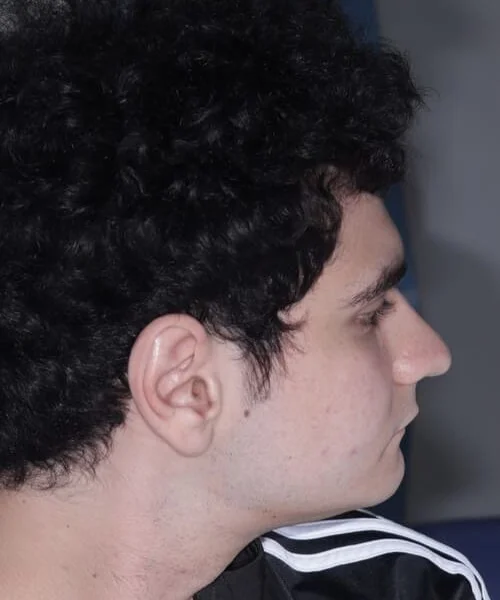
The right choice depends on why your chin looks small in the first place. Many small chins come from a Class 2 bite, where the lower jaw sits back. When the bite is the cause, non-surgical bite correction can lift the chin without surgery. When the chin is purely a bone issue, an implant may still fit better. Dr. Goodman finds the real cause before he points you either way.
How Does a Chin Implant Work?
A chin implant is a surgical procedure done by a plastic or oral surgeon. The surgeon makes an incision, then places a silicone or plastic implant on the bone. The operation usually takes about 1 hour under anesthesia. Recovery runs a few weeks, with swelling, bruising, and a soft-food diet at first.
A chin implant adds projection and can improve a weak profile well. It does not change your bite or how your teeth meet, though. Risks include infection, implant shifting, and temporary numbness near the lip. For the right patient, it remains a solid and lasting option. A skilled surgeon can deliver a strong, natural-looking profile.
How Does Non-Surgical Chin Augmentation Work?
Non-surgical chin augmentation improves the chin by repositioning your bite, not by surgery. Dr. Goodman first fits a TMJtrac appliance to test a new jaw position. You wear it for about 2 weeks and feel how the new bite works. This trial lets you preview the result before anything becomes permanent.
Once your new bite feels right, Dr. Goodman secures it with custom no-prep porcelain veneers. These veneers hold the jaw forward and give the chin more height and projection. Your profile looks balanced, and your bite works better at the same time. All of this happens with no surgery, no healing time, and no shaving of healthy teeth. Many patients compare the change to a facelift for the lower face.
Chin Implant vs Non-Surgical Chin Augmentation: Which Is Right?
The best choice depends on your goals, your bite, and how much downtime you accept. The table below compares the two paths on what matters most to patients. Use it as a starting point rather than a final answer for your case.
| Factor | Chin implant | Non-surgical augmentation |
| Method | Surgical implant on the bone | Bite repositioning with veneers |
| Anesthesia | Yes | No |
| Recovery | A few weeks | None |
| Timeline | Weeks to months | About 2 to 3 weeks |
| Fixes the bite | No | Yes |
A chin implant suits a chin that is small purely because of the bone. The non-surgical route suits a small chin driven by the bite. It also improves how your teeth meet, which surgery alone does not. Dr. Goodman tells you honestly which path fits your face and your bite. He would rather send you to a surgeon than oversell the non-surgical route.

What Are the Downsides of Each Option?
Every option has tradeoffs worth weighing before you decide. Knowing them helps you choose with clear eyes. Here are the main downsides of each path.
- A chin implant requires surgery, anesthesia, and weeks of recovery
- An implant carries risks like infection or shifting over time
- An implant changes your look but not how your teeth meet
- The non-surgical route only works when the bite is the cause
- Veneers are a commitment and need good daily care
- A purely bone-based chin may still need a surgical fix
Neither option is right for everyone, and honesty matters here. The best path depends on the cause of your small chin. Dr. Goodman finds that cause first, then matches the option to it. You get a straight recommendation, not a one-size answer.
Who Is a Good Candidate for the Non-Surgical Option?
The non-surgical route fits some people better than others. It works best when your small chin ties back to your bite, most often a Class 2 bite that responds to non-surgical overbite correction. Here is what tends to make someone a strong fit.
- A small or reclined chin linked to a Class 2 bite
- Healthy teeth and gums with no active gum disease
- A wish to avoid surgery, anesthesia, and downtime
- Interest in improving the chin and the bite together
- Comfort wearing a test appliance for about 2 weeks
- Realistic goals for a natural, balanced end result
We treat any gum disease or decay first, since healthy teeth support good veneers. When your chin truly needs surgery, we tell you so honestly. Either way, you hear a straight answer from Dr. Goodman before you commit. This honesty is the whole point of your first visit with him. You leave with a clear read on which option truly fits you.
How Much Does Each Cost, and How Long Does It Take?
A chin implant often runs several thousand dollars, plus surgeon and anesthesia fees. Recovery takes a few weeks before you feel fully back to normal. Non-surgical chin augmentation usually takes about 2 to 3 weeks start to finish. Its cost depends on how many veneers your case needs to reach the goal.
Both options are an investment in your profile and your confidence. The non-surgical route adds a bite improvement that an implant does not. Dr. Goodman gives you an honest quote after your exam, so nothing surprises you. You leave knowing your plan, your timeline, and your price up front. We also review any insurance or financing options that may apply.
Choose the Right Chin Option with Dr. Goodman in Beverly Hills
You came here weighing a chin implant against a simpler path. You deserve a stronger profile and a clear, honest comparison. Dr. Goodman has reshaped profiles in Beverly Hills for 27 years, trained in Germany and the US. He treats three generations of families from Century City to Brentwood with the same honest care. His patients trust him because he recommends only what fits.
The next step is simple and comes with no pressure at all. Come in for an exam, and Dr. Goodman will find the cause of your small chin. He tells you honestly whether the non-surgical route or an implant fits you. Book a consultation today and compare your chin options with an expert.
Frequently Asked Questions
Is there a non-surgical alternative to a chin implant?
Yes, many small chins improve without surgery when the bite is the cause. Dr. Goodman repositions the jaw and secures it with custom veneers. This lifts the chin and improves the profile, with no operation. His bite correction approach also fixes how your teeth meet. A chin implant, by contrast, requires surgery.
Does a chin implant fix your bite?
No, a chin implant only adds projection to the chin bone. It does not change how your upper and lower teeth meet. Chin augmentation is a cosmetic procedure on the bone alone. A bite-based approach improves the chin and the bite together.
Which lasts longer, an implant or veneers?
A chin implant is permanent, while quality porcelain veneers often last 10 to 15 years. Veneers can be maintained and replaced over time with good care. Both give lasting results when done well and cared for properly. Dr. Goodman reviews the long-term picture of each at your visit.
How do I know which option is right for me?
It comes down to why your chin looks small, which often ties to your bite. Your bite position shapes the whole lower face. A bite-related chin often responds well to the non-surgical route. A purely bone-based chin may need an implant, and Dr. Goodman finds the cause first.