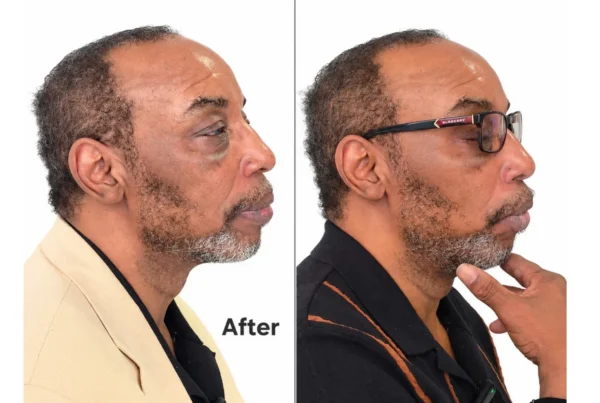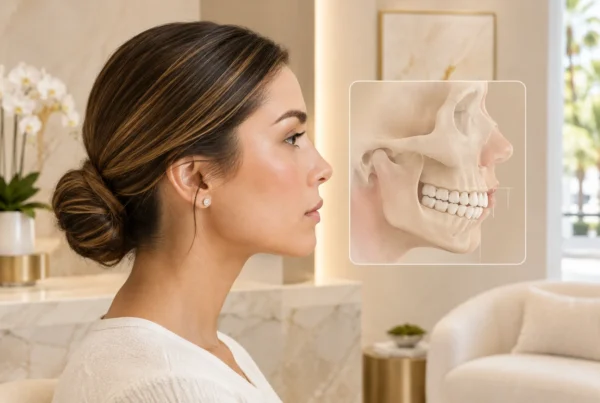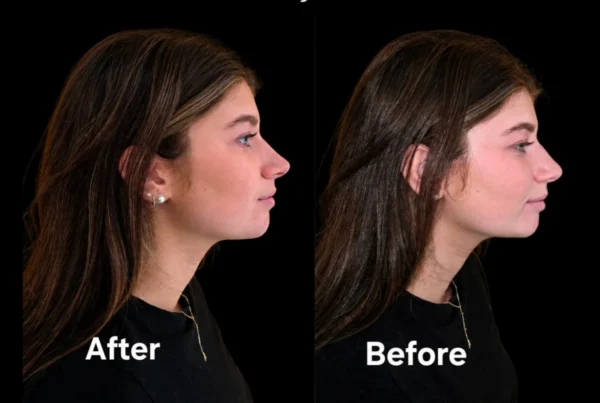



Non-surgical crossbite correction in Beverly Hills begins with the jaw, not the teeth. Dr. Joseph Goodman, DDS, DMD, has corrected bites here for 27 years. He trained in Germany and the United States. He tests a new jaw position with TMJtrac before anything becomes permanent. This page covers how that works, who it suits, and what to expect at each stage.
Most patients arrive after being told to expect surgery or years of orthodontic work. The worry underneath is losing time and still disliking the result. Waiting has its own price, since a crossbite wears enamel unevenly and strains the joint. Face-Driven Dentistry reads your jaw, joint, chin, and profile as one picture rather than a row of teeth.
What Is a Crossbite, and Can It Be Corrected Without Surgery?
A crossbite means some upper teeth close inside your lower teeth instead of outside them. It can affect the front teeth, the back teeth, or one side only. Many cases improve without surgery. The lower jaw is guided toward a better position, and that position gets tested first.
Where the jaw sits matters more than where any single tooth sits. Many patients shift the jaw sideways to chew comfortably, and the joint pays for it. Dr. Goodman studies how the upper jaw, the lower jaw, and the joint relate before recommending anything. When every upper front tooth sits behind the lower ones, that is a different problem. Non-surgical underbite correction covers that case.
What Happens If You Leave a Crossbite Untreated?
An untreated crossbite wears your teeth unevenly, and the damage builds quietly. The teeth caught in the crossbite take more force than they should. Over 10 to 20 years, that shows up as worn enamel and gum recession. Jaw pain and clicking often follow, since the joint works around the problem with every meal.
The sideways shift is the part most people miss. You learn to chew on the comfortable side without noticing you do it. That habit loads one joint harder than the other for years. Handled now, the plan stays simpler than it would be after another decade of wear.
What Causes a Crossbite?
Most crossbites trace back to jaw size and family genes rather than anything you did. Knowing the cause helps Dr. Goodman shape a plan that fits your face. Here are the reasons a crossbite develops.
- Genetics, since jaw size and jaw shape run in families
- An upper jaw narrower than the lower jaw it meets
- Baby teeth lost too early, which changes how the bite settles
- Childhood thumb sucking or long-term pacifier use
- Mouth breathing, which changes how the jaw grows
- Crowding that pushes individual teeth out of line
Nearly every cause on that list is about the jaw, not one tooth. That is why the correction starts there. A narrow upper jaw often brings other bite problems with it. Dr. Goodman evaluates the whole picture. Adults can be treated at any age, since the method works with the jaw you have today.
How Does Dr. Goodman Correct a Crossbite Without Surgery?
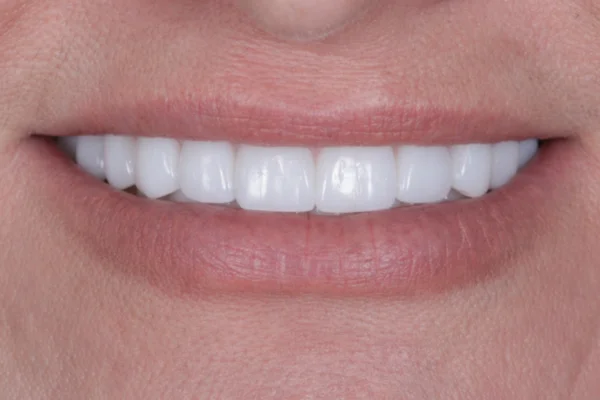
TMJtrac is the heart of the method. It tests where your lower jaw and condyle belong rather than guessing at it. You live in that tested position for 2 to 3 weeks. Class 1 Veneers then hold the new position in place. No surgery, and no grinding down healthy teeth.
The order matters more than any single step. Dr. Goodman establishes and verifies the jaw position first. Only then does he design the restorations around it. You feel the difference while chewing during the test period, before anything is final. Results vary by patient, and your exam and imaging decide what is realistic.
How Does This Compare to Jaw Surgery?
Patients usually arrive with one option on the table and want to know the difference. The table below lays out both paths across what people ask about most. Use it as a starting point for your consultation rather than a verdict on your case.
| Option | How it works | Recovery | Typical timeline | Preview before final |
|---|---|---|---|---|
| Orthognathic jaw surgery | Bone is cut and repositioned, with orthodontic work before and after | Weeks of healing | Often 2 to 3 years start to finish | No |
| Face-Driven Dentistry with TMJtrac | The jaw and TMJ position is tested, then held with Class 1 Veneers | None | Weeks | Yes, during the 2 to 3 week test |
Surgery remains the honest answer for a small number of severe cases. Dr. Goodman says so plainly when your anatomy calls for it. He will not sell you a plan that cannot reach your goal. You leave the first visit with real options rather than one answer applied to everyone.
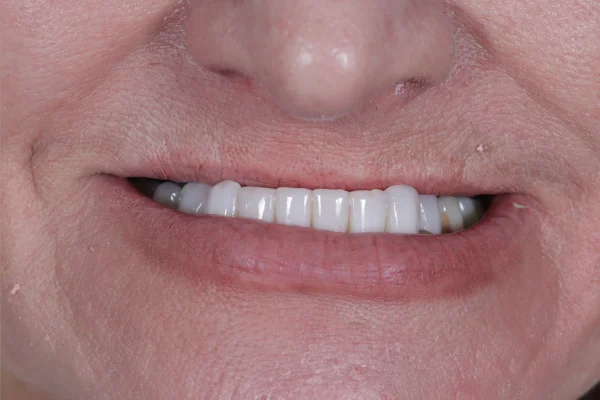
Are You a Candidate for Non-Surgical Crossbite Correction?
Good candidates have healthy teeth and gums along with a crossbite tied to jaw position. Gum disease or decay gets treated first, since the foundation has to be sound. Here is what makes someone a strong fit.
- A crossbite tied to where the lower jaw sits
- Healthy teeth and gums with no active gum disease
- A joint able to settle comfortably into a tested position
- A habit of shifting the jaw sideways to chew
- Willingness to wear the test restorations for 2 to 3 weeks
- Realistic goals for a balanced, natural-looking result
Many patients arrive after a consultation elsewhere ended in a surgical referral. They want a second opinion before committing to the operating room. You get a straight answer here before you spend a dollar.
What Does the Process Look Like, Step by Step?
Three stages carry you from the first visit to the final result. Dr. Goodman finds the ideal jaw and condyle position. He tests it with TMJtrac, then places the final Class 1 Veneers. Many patients notice their bite feels more even at that first appointment.
The test period is what separates this from a surgical plan. You eat, speak, and sleep in the new bite before committing. Adjustments happen while the work is still temporary, which is the whole point.
What Does Non-Surgical Crossbite Correction Cost?
Your cost depends on your own anatomy, so no honest quote exists before an exam. Dr. Goodman looks at your jaw position, your joint, and the condition of your teeth. He prices the test phase and the final restorations separately. You get the full figure in writing before any work begins.
Compare it against the real alternative rather than against a filling. Jaw surgery carries hospital fees, anesthesia, orthodontic work on both ends, and time away from your job. Ask our front desk about financing when you book, since payment plans are available. Nobody at this office asks you to decide at the first visit.
Will Your Corrected Bite Hold?
A tested jaw position tends to hold, because the restorations support it with every bite you take. Dr. Goodman checks the fit at follow-up visits. He makes adjustments as your muscles settle into the new position over the following months.
Outcomes vary from patient to patient, and nobody can promise one result for everyone. What he can promise is honesty about your odds before treatment starts. Patients with joint symptoms often ask about TMJ and TMD care at the same visit.
See Your New Jaw Position Before Anything Is Permanent
Dr. Joseph Goodman has corrected crossbites in Beverly Hills for 27 years, trained in Germany and the United States. Patients reach the Beverly Drive office from Bel Air, Holmby Hills, and Westwood, near Beverly Gardens Park. He treats the jaw, joint, and face as one system. That is Face-Driven Dentistry, and it is why bite correction comes before cosmetics here.
The next step is simple and comes with no pressure. Call (310) 860-9311 or visit topbeverlyhillsdentist.com to book an honest exam. Dr. Goodman will tell you whether your crossbite can be corrected without surgery.
Common Questions About Crossbite Correction
Can a crossbite correct itself without treatment?
No, a crossbite does not resolve on its own, and leaving it alone invites trouble later. Cleveland Clinic notes that untreated malocclusion can lead to tooth erosion, gum recession, and jaw pain over time. Your bite stays where it is until treatment addresses it. Starting sooner usually keeps the plan simpler.
Does a crossbite cause jaw pain or headaches?
It can. The joint and muscles work harder to compensate for a bite out of position. Mayo Clinic lists jaw tenderness, ear ache, headache, and neck pain among the symptoms of TMJ disorders. Many patients come in for the look and stay for the comfort. Dr. Goodman evaluates the joint at your first visit.
How common are bite problems like crossbites?
More common than most people expect. One review of worldwide data found some degree of malocclusion in roughly 56 percent of people. Only a portion of those cases need treatment. Crossbites make up a smaller share of the total. Your exam determines whether yours needs attention.
Does a bite problem affect confidence?
For many people, yes. Published research has found that some adults avoid social situations because of how they feel about their teeth. Patients often describe chewing on one side for years without mentioning it. A balanced jaw position changes how the bite feels and reads, and results vary by patient.